Visual Identification
Color is where many people start, but it can be tricky — plumage changes throughout the year. Here are some more reliable approaches picked up from the National Audubon Society.
Groups
For a beginning birder, I suggest learning a few birds in the basic groups we see in Oregon and looking for commonalities and differences between birds in the same group.
- Swans, ducks, and geeseMallardCanada GooseCackling GooseTundra Swan
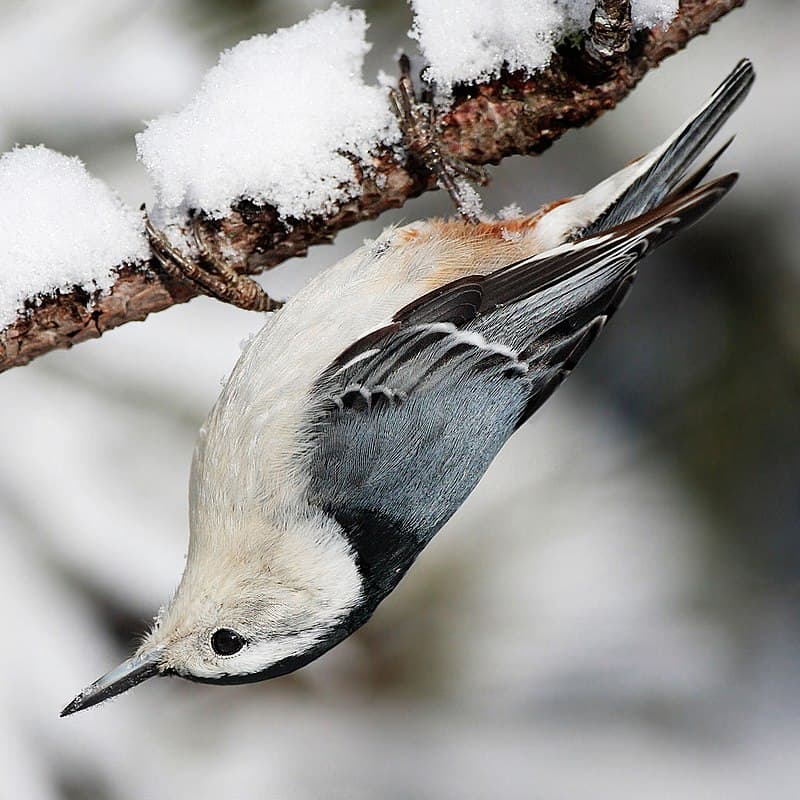
- Chickadees and nuthatchesBlack-capped ChickadeeBushtitWhite-breasted Nuthatch
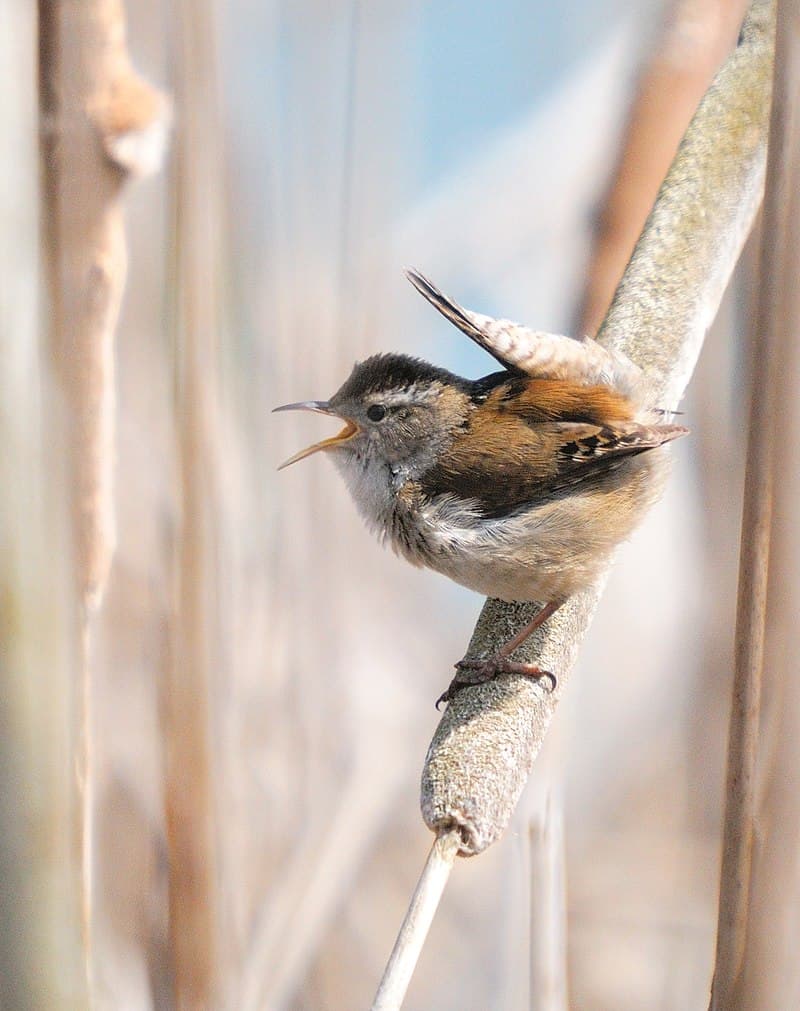
- Wrens and kingletsBewick's WrenRuby-crowned Kinglet
- Bitterns, herons, and egretsGreat Blue HeronGreat Egret
Size & Shape
Within these groups, features like size, body shape, and beak shape can help. Once you see enough wrens, you notice they all have long beaks that are straight or curve slightly down. Nuthatches, on the other hand, have straight, almost chisel-shaped beaks — easy to confuse at first, but distinct once you know what to look for.
Behavior
When groups and field marks aren't enough, behavior can clinch an ID. Chickadees are busy and acrobatic in the canopy of deciduous trees. Wrens are equally active but tend to stay low — in shrubs and the lower branches where chickadees rarely venture.